
How to Run a Busy Saturday in Your Grooming Shop
· Furward · 6 min read
Saturdays can be your busiest day, when owners are free to book. Here is a simple way to plan slots, protect hot-weather pets, handle nervous dogs and cut no-shows.
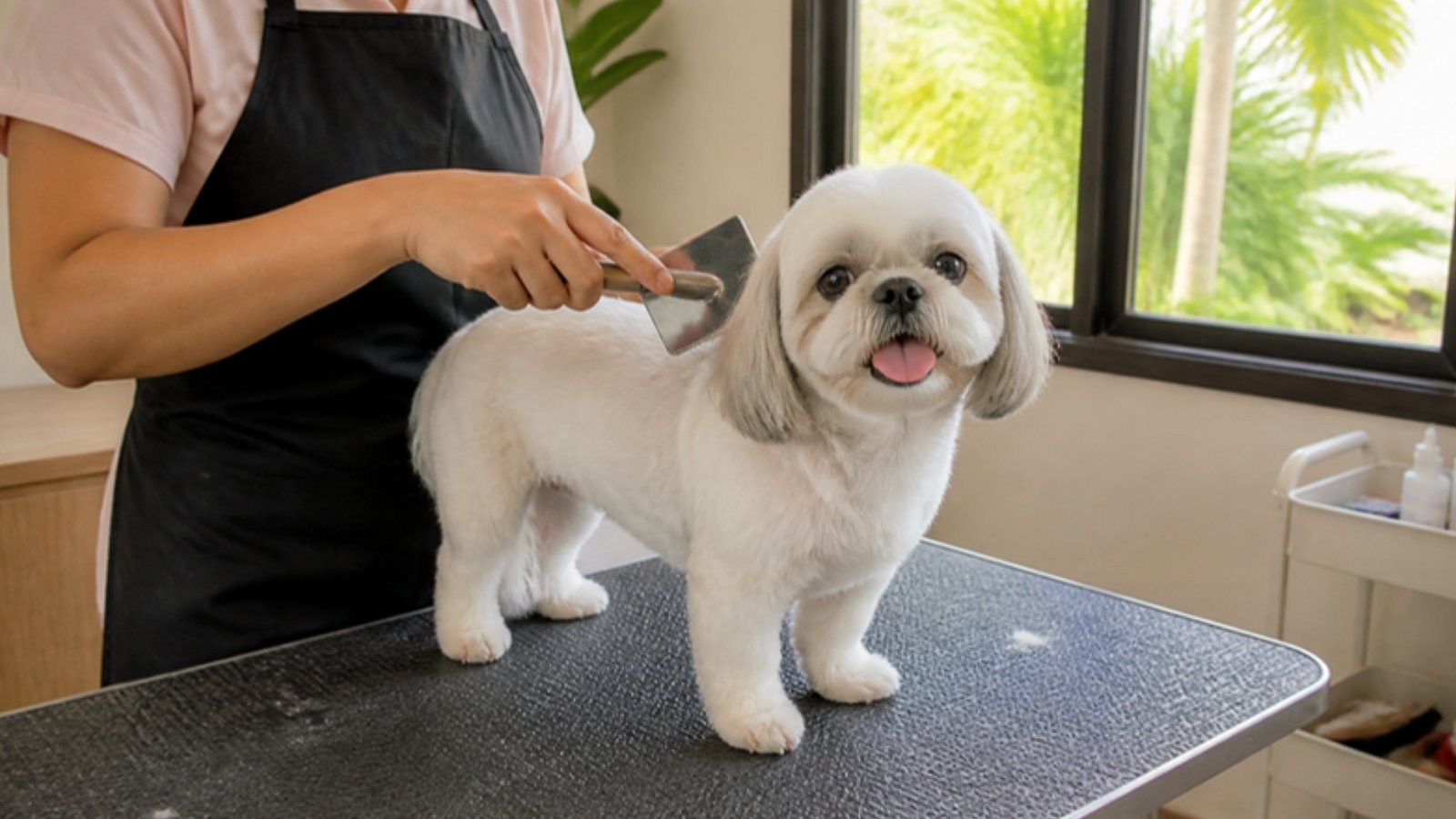
Saturday is when pet owners are free, so it is often when your phone rings the most and your groomers are stretched the thinnest. A messy Saturday means late pick-ups, tired groomers and pets waiting too long in a warm shop. A little planning the day before helps a great deal.
This guide is for shop owners, managers and receptionists. Adjust it to your own shop size and team.
1. Plan the day the evening before
Do not meet Saturday for the first time at opening. On Friday evening, look at the whole day's schedule and ask:
- How many groomers are in, and when are their breaks?
- Which pets are big, matted, double-coated or difficult?
- Which pets are flat-faced, senior or otherwise heat-sensitive?
- Are there gaps that will bunch up into a rush at the same hour?
Write down anything unusual. If your pet profiles already have notes and behaviour flags, check them now so nobody is surprised at the table.
2. Add buffer time where it is needed
Matted, double-coated and large dogs often take longer than a small, short-coated dog, so it helps to add buffer time to those bookings. Coat condition and temperament matter too.
A few reasons:
- Matted coats need de-matting, which takes time and must be done gently because mats pull on the skin. Severe mats may call for a shave-down, and the owner should agree to that first.
- Double coats (Husky, Shiba, Samoyed and similar) need a thorough brush-out and a longer dry because the undercoat holds water.
- Large dogs take longer to bathe, dry and brush, and they are more tiring to handle.
There are exceptions. A well-kept double coat that is brushed regularly can be quick, and a small, heavily matted Shih Tzu or Poodle can take longer than a large short-coated dog. An anxious dog can add time all by itself.
We can't give you a standard number of minutes. The best approach is to check how long your own groomers actually take on each type of pet for a couple of weeks, then set your buffers from your own records.
3. Put heat-sensitive pets in the cooler slots
Saturday afternoons in the Philippines are hot and humid, and grooming adds heat from dryers and from the stress of being handled. Where you can, book these pets in the cooler morning slots:
- Flat-faced dogs and cats: Shih Tzu, Pug, Pekingese, French bulldog, bulldog, and Persian or Exotic cats
- Puppies and senior pets
- Cats in general
- Overweight pets
- Pets with heart or breathing trouble (ask the owner, and leave any health decision to their vet)
Drying safely
- Never leave any pet unattended with a cage dryer or in a hot room.
- For flat-faced pets, seniors and cats, use a cool or no-heat setting, or hand-dry. A heated cage dryer is a known cause of heatstroke deaths in pets.
- Check the clock and watch the pet's breathing often.
- Keep a fan or aircon where pets wait and dry, and keep fresh water available.
4. Nervous dogs: usually early, with extra time
A nervous or hard-to-handle dog is usually best booked early in the day, with a longer slot and breaks. Rushing it makes things worse for the dog and for your groomer.
A few exceptions and add-ons:
- A nervous flat-faced dog still needs a cool slot, because panting from stress adds to heat risk.
- Ask owners to come just before the slot so the dog waits in the shop as little as possible. Keep nervous dogs away from other dogs and from cats.
- For dogs that bite or are very hard to handle, have a shop policy: a behaviour flag on the pet profile, two handlers, and the owner told beforehand.
- Never use a tight or long muzzle on a flat-faced dog.
- Do not suggest sedatives or calming products. Only a vet decides that.
If you charge more for the extra time, that is your call as the shop owner. Just tell the owner when booking, not at the counter.
When to stop and call a vet
If a pet is in real distress, stop grooming. Then:
- Keep the pet calm and cool.
- Call the owner right away.
- Follow the vet's advice.
Signs to take seriously include heavy or noisy breathing, collapse, vomiting and severe panic. Your job is not to diagnose or treat. Your job is to stop and get the pet to a licensed veterinarian.
5. Cut no-shows before they cost you a slot
On Saturday, one empty table hurts more than on a quiet Tuesday. A few habits help:
- Send a reminder the day before. A short text works: pet name, time, shop name.
- Ask owners to reply to confirm.
- Keep a short list of regulars who are happy to take a last-minute slot.
- Be clear about your late and no-show policy when booking.
With Furward, you can tap to text a reminder from the schedule. Automatic SMS is an optional add-on. You can also start a free 14-day trial and see how a shared day schedule looks on your phone before you decide anything.
6. Handle walk-ins without wrecking the plan
Walk-ins are good business, but they can wreck a tight day. Decide in advance:
- How many walk-ins you will take on a Saturday, if any.
- Which hours you keep open for them, ideally the gaps you built in on purpose.
- What you tell people when you are full: a time to come back, or the next free slot.
Put every walk-in on the schedule right away, even if it is just a name and a time. If it is not written down, it will cause a clash later.
7. Look after your team
Tired groomers make mistakes, and Saturdays are long. Schedule real breaks, give everyone water, and do not stack all the hard dogs on one person. Share the heavy, matted or large dogs across the team where you can.
A simple Saturday checklist
| When | What to check |
|---|---|
| Friday evening | Review the full schedule, flag long and heat-sensitive jobs |
| Friday evening | Send reminders and confirm nervous or difficult pets with owners |
| Saturday opening | Fans and aircon on, water out, tools clean and ready |
| Morning | Heat-sensitive and nervous pets first, with extra time |
| Midday | Check the schedule against the clock and adjust early |
| Afternoon | Watch the heat, keep dryers attended, keep walk-ins in your planned gaps |
| Closing | Note what ran late and why, so next Saturday is easier |
The last row matters most. Every Saturday tells you something about your real timings. Write it down, and the next one gets easier.
- shop tips
- scheduling
- dogs
- heat